

الشريط الجانبي للمادة
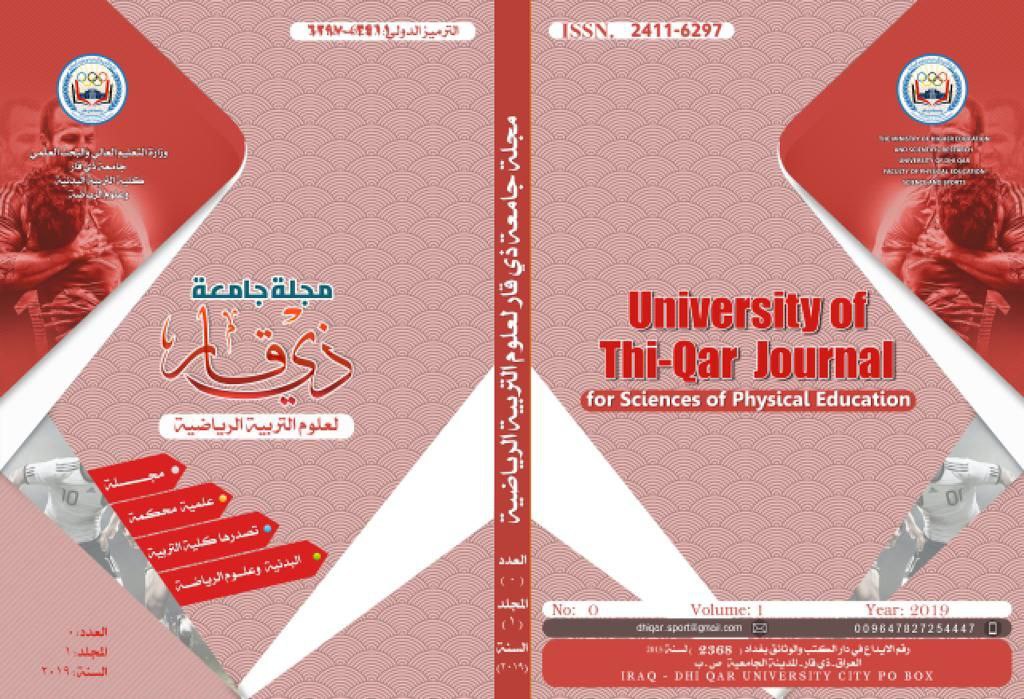
محتوى المقالة الرئيسية
الملخص
هدف البحث إلى وضع مستويات مرجعية لتقويم الصحة البدنية لدى النساء المشاركات في برامج اللياقة البدنية اعتمادًا على بعض القياسات الجسمية. استخدمت الباحثة المنهج الوصفي لملاءمته طبيعة مشكلة البحث، وتم تطبيق القياسات على عينة بلغت (114) امرأة مشاركة في برامج اللياقة البدنية في بغداد. شملت القياسات مؤشرات كتلة الجسم ونِسَب توزيع الدهون، والتي جرى تحليلها إحصائيًا لاستخراج المستويات المعيارية. أظهرت النتائج إلى إمكانية بناء مستويات مرجعية علمية دقيقة اعتمادًا على القياسات الجسمية، تسهم في تقويم الصحة البدنية لدى النساء المشاركات في برامج اللياقة البدنية بصورة موضوعية، وتساعد على تشخيص الواقع البدني وتصنيف المستويات الصحية بشكل واضح وعملي وجود تباين في القياسات الجسمية وإمكانية تصنيف المشاركات إلى مستويات صحية مختلفة. وأسهمت المستويات المرجعية المستخلصة في تقديم أداة موضوعية لتقويم الصحة البدنية. وتوصي الباحثة باعتماد هذه المستويات في مراكز اللياقة البدنية لتطوير البرامج التدريبية وتحسين الصحة العامة للنساء.
تفاصيل المقالة
الحقوق الفكرية (c) 2026 مجلة جامعة ذي قار لعلوم التربية البدنية

هذا العمل مرخص بموجب Creative Commons Attribution 4.0 International License.
المراجع
- 1. أبو العلا أحمد. عبد الفتاح. (2015). فسيولوجيا اللياقة البدنية (الطبعة الثانية). القاهرة: دار الفكر العربي.
- 2. محمد حسن عبد الكريم، ، و أحمد صالح علي. (2018). مؤشرات القياس الجسمي وعلاقتها بالمخاطر الصحية لدى النساء
- 3. صلاح الدين محمود علام. (2010). الأساليب الإحصائية الاستدلالية في تحليل البحوث النفسية والتربوية والاجتماعية (البارومتري واللابارامترية). القاهرة: دار الفكر العربي.
- 4. ظافر هاشم أَلكاظمي. (2012). التطبيقات العملية لكتابة الرسائل والأَطاريح التربوية والنفسية (التخطيط والتصميم)، . بغداد: دار الكتب والوثائق.
- 5. محمد حسن عبد المقصود. (2017). القياس والتقويم في المجال الرياضي. القاهرة: مركز الكتاب للنشر
- 6. . B N Goulart، و et al. . (2020). Dynamic Balance, but Not Precision Throw, Is Positively Associated with Academic Performance in Children. International Journal of Environmental Research and Public Health, 17(8).
- 7. H M Al-Hazzaa. (2004). The public health burden of physical inactivity in Saudi Arabia. , 45–51. هJournal of Family and Community Medicine, 11(2).
- 8. L m Browning، S d Hsieh، و M Ashwell. (2010). A systematic review of waist-to-height ratio as a screening tool for the prediction of cardiovascular disease and diabetes. Nutrition Research Reviews, 23(2),.
- 9. M Ashwell، و S D Hsieh. (2005). Six reasons why the waist-to-height ratio is a rapid and effective global indicator for health risks of obesity and how its use could simplify the international public health message on obesity. International Journal of Food Sciences and Nutrition, 56(5).
- 10. M Ashwell، و S Gibson. (2016). Waist-to-height ratio as an indicator of health risk. Obesity Reviews,.
- 11. M Matyja، و P Souchard,. (2012). P. (2012). Balance control mechanisms in children: integration of sensory inputs and postural responses. (Focus on vestibular and proprioceptive contributors to balance function). In: Balance and Motor Development in Childhood, pp.
- 12. World Health Organization (WHO). (2008). (Obesity: Preventing and Managing the Global Epidemic. WHO, 2000.Waist Circumference and Waist–Hip Ratio. WHO.
- 13. World Health Organization. (2020). WHO guidelines on physical activity and sedentary behaviour. Geneva:. World Health Organization.
المراجع
1. أبو العلا أحمد. عبد الفتاح. (2015). فسيولوجيا اللياقة البدنية (الطبعة الثانية). القاهرة: دار الفكر العربي.
2. محمد حسن عبد الكريم، ، و أحمد صالح علي. (2018). مؤشرات القياس الجسمي وعلاقتها بالمخاطر الصحية لدى النساء
3. صلاح الدين محمود علام. (2010). الأساليب الإحصائية الاستدلالية في تحليل البحوث النفسية والتربوية والاجتماعية (البارومتري واللابارامترية). القاهرة: دار الفكر العربي.
4. ظافر هاشم أَلكاظمي. (2012). التطبيقات العملية لكتابة الرسائل والأَطاريح التربوية والنفسية (التخطيط والتصميم)، . بغداد: دار الكتب والوثائق.
5. محمد حسن عبد المقصود. (2017). القياس والتقويم في المجال الرياضي. القاهرة: مركز الكتاب للنشر
6. . B N Goulart، و et al. . (2020). Dynamic Balance, but Not Precision Throw, Is Positively Associated with Academic Performance in Children. International Journal of Environmental Research and Public Health, 17(8).
7. H M Al-Hazzaa. (2004). The public health burden of physical inactivity in Saudi Arabia. , 45–51. هJournal of Family and Community Medicine, 11(2).
8. L m Browning، S d Hsieh، و M Ashwell. (2010). A systematic review of waist-to-height ratio as a screening tool for the prediction of cardiovascular disease and diabetes. Nutrition Research Reviews, 23(2),.
9. M Ashwell، و S D Hsieh. (2005). Six reasons why the waist-to-height ratio is a rapid and effective global indicator for health risks of obesity and how its use could simplify the international public health message on obesity. International Journal of Food Sciences and Nutrition, 56(5).
10. M Ashwell، و S Gibson. (2016). Waist-to-height ratio as an indicator of health risk. Obesity Reviews,.
11. M Matyja، و P Souchard,. (2012). P. (2012). Balance control mechanisms in children: integration of sensory inputs and postural responses. (Focus on vestibular and proprioceptive contributors to balance function). In: Balance and Motor Development in Childhood, pp.
12. World Health Organization (WHO). (2008). (Obesity: Preventing and Managing the Global Epidemic. WHO, 2000.Waist Circumference and Waist–Hip Ratio. WHO.
13. World Health Organization. (2020). WHO guidelines on physical activity and sedentary behaviour. Geneva:. World Health Organization.